About the Book
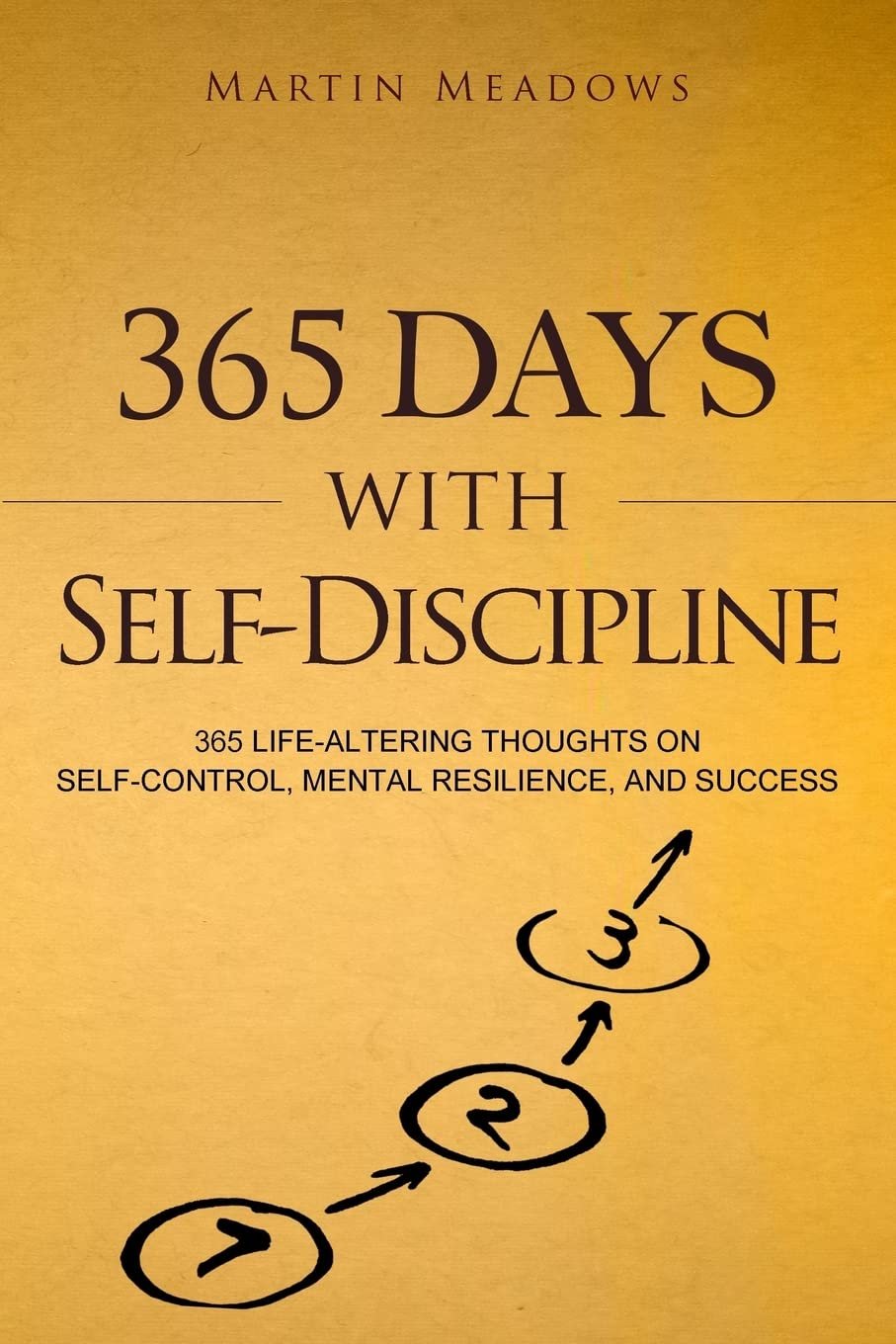
365 Days With Self-Discipline: 365 Daily Practices and Inspirations for Self-Discipline and Self-Control is a personal development book by Martin Meadows. It focuses on developing self-discipline, strengthening self-control, and building habits that support long-term success.
The book is designed as a daily guide, offering short lessons, practical suggestions, and motivational ideas to help readers become more consistent in their actions. Rather than relying solely on motivation, it emphasizes the importance of establishing routines, managing impulses, and taking responsibility for personal choices.
Through its day-by-day approach, the book encourages readers to improve their productivity, overcome procrastination, resist distractions, and develop the mental strength needed to achieve meaningful goals. It is suitable for anyone seeking to improve their personal habits, professional performance, or overall quality of life.
Detailed Summary
Understanding the Power of Self-Discipline
One of the central ideas of 365 Days With Self-Discipline is that success depends not only on talent or intelligence but also on the ability to act consistently. People often know what they need to do to achieve their goals, yet they struggle to follow through because of distractions, temporary discomfort, or the desire for immediate gratification.
The book encourages readers to recognize self-discipline as a skill that can be strengthened through regular practice. Every small decision provides an opportunity to develop greater control over one’s behavior.
Overcoming Procrastination
Procrastination is a major obstacle to personal growth. Waiting until the right moment or until motivation appears can prevent people from making progress.
The book promotes taking action even when enthusiasm is low. Breaking large tasks into smaller steps, establishing clear priorities, and beginning with manageable activities can make difficult responsibilities easier to handle.
By learning to start tasks without waiting for perfect conditions, readers can gradually replace avoidance with productive behavior.
Building Positive Habits
Lasting improvement rarely comes from a single dramatic decision. It usually develops through small actions repeated over time.
The book highlights the value of creating routines that make desirable behaviors easier to maintain. Whether the objective is reading more, exercising regularly, learning a new skill, or completing important work, consistency is essential.
Instead of attempting to change everything at once, readers are encouraged to concentrate on manageable improvements and gradually increase their efforts.
Mastering Self-Control
Self-control involves resisting impulses that conflict with long-term objectives. Unnecessary entertainment, excessive internet use, unhealthy routines, and impulsive decisions can consume time and energy that could be directed toward more valuable activities.
The book encourages readers to identify their personal triggers and create strategies to manage them. This may involve reducing distractions, setting clear boundaries, or making tempting activities less accessible.
The goal is not to eliminate every pleasure but to make deliberate choices instead of automatically following immediate desires.
Developing Mental Toughness
Personal growth often requires tolerating discomfort. Difficult conversations, challenging projects, unfamiliar experiences, and demanding routines can all test determination.
The book encourages readers to become more comfortable with temporary discomfort rather than automatically avoiding it. By gradually confronting challenges, individuals can develop confidence in their ability to handle demanding situations.
Mental toughness does not mean ignoring limitations or working without rest. It means remaining committed to worthwhile objectives while responding sensibly to setbacks.
Improving Productivity and Time Management
Effective time management requires knowing which activities deserve attention. Being busy does not necessarily mean making meaningful progress.
The book emphasizes the importance of prioritization, planning, and reducing distractions. Setting clear daily objectives helps readers focus on important tasks rather than reacting to every interruption.
Regularly evaluating how time is spent can also reveal habits that undermine productivity. With greater awareness, readers can make better decisions about their schedules and responsibilities.
Taking Responsibility for Personal Growth
Another important theme is personal responsibility. Although people cannot control every circumstance, they can often influence how they respond to difficulties.
The book encourages readers to stop relying entirely on external motivation or favorable conditions. Instead, they should focus on the actions available to them and take responsibility for their progress.
This mindset promotes independence, resilience, and a stronger sense of purpose.
Learning from Failure and Setbacks
Maintaining discipline does not mean being perfect every day. Everyone experiences periods of low motivation, missed goals, and unexpected difficulties.
The important question is how to respond when things go wrong. Rather than abandoning a goal after one mistake, readers are encouraged to examine what happened, learn from the experience, and return to their routines.
Progress depends on persistence and adjustment, not perfection. A temporary setback does not have to become a permanent failure.
Creating a More Disciplined Life
The book’s daily format encourages readers to treat self-discipline as an ongoing practice rather than a destination. Small improvements in decision-making, habits, and personal responsibility can accumulate over time.
By consistently applying practical lessons, readers can develop a more organized lifestyle, improve their ability to concentrate, and become more reliable in pursuing their ambitions.
Ultimately, self-discipline is presented as a tool for living according to one’s values and priorities instead of being controlled by temporary emotions or distractions.
Key Lessons from the Book
-
Consistency matters more than occasional bursts of motivation.
-
Small daily actions can produce significant long-term improvements.
-
Self-control helps you prioritize long-term benefits over immediate gratification.
-
Taking action is more effective than waiting for the perfect moment.
-
Clear goals and structured routines make progress easier to maintain.
-
Failure is an opportunity to learn, adjust, and continue.
-
Personal responsibility is essential for lasting change.
-
Self-discipline is a skill that develops through repeated practice.
Who Should Read This Book?
365 Days With Self-Discipline may be particularly useful for:
READ THE BOOK ONLINE
365 Days With Self-Discipline: 365 Life-Altering Thoughts on Self-Control, Mental Resilience, and Success