About the Book
Medical reference • Medicines and pharmacology • Patient health education
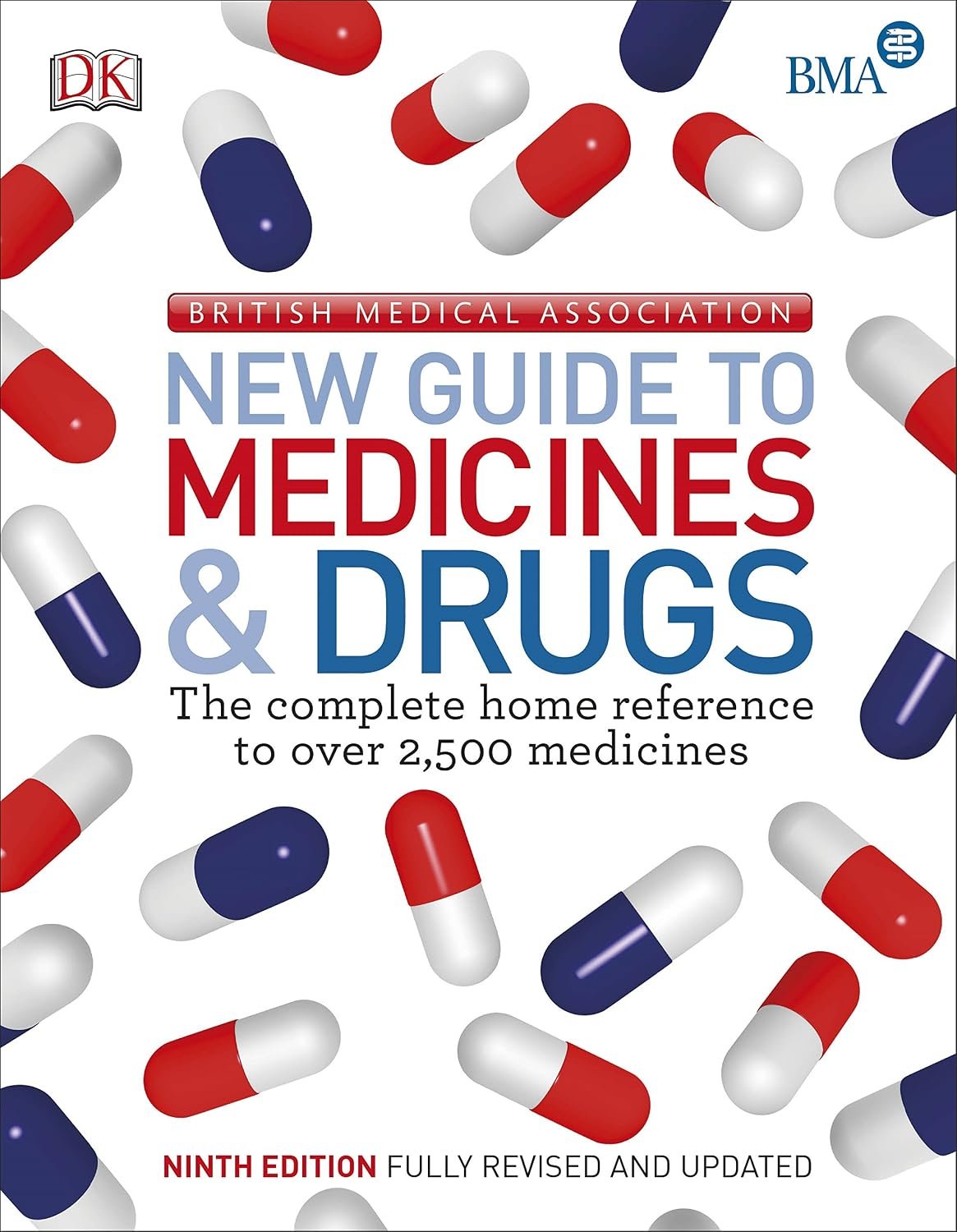
New Guide to Medicines and Drugs, 9th Edition, published under the authority of the British Medical Association (BMA), is a medical reference guide designed to help readers understand medicines, their uses, and their effects on the human body. It provides accessible information about pharmaceutical treatments, common medications, and important considerations associated with their use.
The book is intended to make medical information easier to understand for general readers, patients, caregivers, and anyone interested in learning more about medicines. It explores the role of drugs in treating illnesses, relieving symptoms, and managing health conditions, while highlighting the importance of using medicines responsibly.
By presenting medical information in a reference-book format, this guide can serve as a useful starting point for readers who want to become more informed about treatments and develop a better understanding of the terminology commonly used in healthcare.
Although it can support general medical education, the book should not replace professional medical advice, a pharmacist’s guidance, or the official patient information supplied with a medicine.
Detailed Summary
The book is organized into four main sections that introduce readers to medicines, explain major drug categories, and provide detailed reference information about individual treatments. The ninth edition was published in 2015 and includes profiles of hundreds of commonly used medicines.
Part One: Understanding and Using Drugs
This section explains the fundamentals of medication and how medicines affect the body. It covers drug classification, how medicines work, different methods of administration, and practical considerations when managing treatment.
It also discusses drug tolerance, dependence, and the particular care required when medicines are used by people in higher-risk groups. These topics help readers understand why medication must be selected and used carefully.
Part Two: Major Drug Groups
This section organizes medicines according to the body systems or health conditions they affect, including:
-
Brain and nervous system: medicines used for neurological conditions and mental health disorders.
-
Respiratory system: treatments for breathing difficulties and respiratory illnesses.
-
Heart and circulation: medicines used to manage cardiovascular conditions.
-
Gastrointestinal tract: treatments for digestive problems.
-
Muscles, bones, and joints: medicines for pain, inflammation, and musculoskeletal conditions.
-
Infections and infestations: medicines used against infections and certain parasites.
-
Hormones and endocrine system: treatments affecting hormones and metabolic processes.
-
Nutrition: vitamins, minerals, and related preparations.
-
Skin, eyes, and ears: medicines for common conditions affecting these areas.
The book also addresses allergy treatments, cancer-related medicines, reproductive and urinary health, and other important therapeutic categories.
Part Three: A–Z of Drugs
The alphabetical drug reference is one of the book’s most practical features. It helps readers locate information about individual medicines without needing to understand complex medical terminology.
The entries provide information on the purposes of medicines, their potential benefits and risks, side effects, and relevant precautions. The book also includes information on vitamins and minerals, drugs of abuse, complementary and alternative medicine, medicines in sport, and medication considerations when travelling.
Part Four: Information and Index
The final section provides additional resources, a glossary of medical and drug-related terminology, and indexes to help readers find specific medicines and subjects quickly.
Key Takeaways
The central message of New Guide to Medicines and Drugs is that understanding medication is an important part of looking after one’s health. Readers can use the guide to become more familiar with common treatments, recognize the importance of possible side effects and interactions, and communicate more effectively with healthcare professionals.
Because this edition dates from 2015, its information should be supplemented with current prescribing guidance and official medicine leaflets. Always consult a qualified healthcare professional before starting, stopping, or changing a medication.
READ THE BOOK ONLINE
BMA New Guide to Medicine & Drugs: The Complete Home Reference to over 2,500 Medicines